
Leftover Mashed Potato Pancakes sitting in the refrigerator don’t have to be boring. We’ve perfected the art of transforming these humble leftovers into crispy, golden-brown potato pancakes that rival anything you’d find at a high-end brunch spot.
Whether we’re looking for a satisfying breakfast option, a creative side dish, or simply a way to reduce food waste, these leftover mashed potato pancakes deliver on all fronts.
The crispy exterior gives way to a creamy, flavorful interior that makes every bite absolutely irresistible. Best of all, Leftover Mashed Potato Pancakes recipe requires minimal ingredients and comes together in less than 30 minutes from start to finish.
Table of Contents
Why Leftover Mashed Potato Pancakes Are a Kitchen Game-Changer
Repurposing leftovers isn’t just economical; it’s a culinary skill that separates good cooks from great ones. Leftover mashed potato pancakes represent the perfect marriage of sustainability and indulgence. Instead of letting those potatoes languish in the back of the fridge, we transform them into something entirely new and exciting.
The beauty of using Leftover Mashed Potato Pancakes lies in their already-seasoned, smooth texture. Unlike traditional potato pancakes made from grated raw potatoes, our version skips the labor-intensive shredding process. The potatoes have already been cooked, mashed, and seasoned, which means half the work is already done. This makes the recipe incredibly accessible for busy weeknight dinners or leisurely weekend brunches.
Cold mashed potatoes actually work better than fresh ones for Leftover Mashed Potato Pancakes recipe. The starches have had time to set overnight, creating a firmer base that holds together beautifully during frying. This overnight rest also intensifies the flavors, making each pancake more flavorful than if we had used freshly prepared potatoes.
Essential Ingredients for Perfect Leftover Mashed Potato Pancakes
Creating exceptional potato pancakes starts with quality ingredients. While the ingredient list is refreshingly simple, each component plays a crucial role in achieving that perfect golden crust and tender interior we’re after.
Core Ingredients
Leftover Mashed Potatoes (2 cups, cold): The foundation of our recipe. Cold potatoes are essential because they’re firmer and easier to handle. Any variety of mashed potatoes works, whether they contain butter, cream, sour cream, or garlic.
Large Egg (1): Acts as the primary binder, holding all the ingredients together and preventing the pancakes from falling apart during cooking. The egg also contributes to the golden-brown color during frying.
All-Purpose Flour (1/4 cup): Provides structure and helps absorb excess moisture from the potatoes. The flour creates a slightly crispy exterior while maintaining a creamy interior. For gluten-free versions, substitute with a gluten-free flour blend containing xanthan gum.
Salt and Black Pepper (to taste): Essential seasonings that enhance the natural potato flavor. Start conservatively, especially if the leftover mashed potatoes are already well-seasoned.
Vegetable Oil (for frying): Creates that signature crispy exterior. We prefer vegetable oil because it has a high smoke point and neutral flavor, though other options like canola oil work equally well.
Optional Flavor Enhancers
Fresh Garlic (1-2 cloves, minced): Adds aromatic depth and complexity to the pancakes.
Onion (1/4 cup, finely chopped): Brings sweetness and additional texture to each bite.
Fresh Chives (1-2 tablespoons, chopped): Provides a mild onion flavor and beautiful green flecks throughout the pancakes.
Shredded Cheese (1/4 to 1/2 cup): Cheddar, Parmesan, Gruyère, or pepper jack all work wonderfully, adding richness and helping bind the mixture.
Fresh Herbs: Rosemary, thyme, parsley, or dill can elevate the flavor profile significantly.
Serving Accompaniments
Sour Cream: The classic topping that provides cooling contrast to the hot, crispy pancakes.
Applesauce: A traditional pairing that adds subtle sweetness.
Greek Yogurt: A lighter alternative to sour cream with tangy flavor.
Fresh Herbs: Additional chives, parsley, or dill for garnish.
Step-by-Step Instructions for Leftover Mashed Potato Pancakes
We’ve refined this method through countless batches to ensure consistent, restaurant-quality results every time. Follow these detailed steps for foolproof success.
Preparation Phase
Step 1: Assess Your Mashed Potatoes
Remove the leftover mashed potatoes from the refrigerator and examine their consistency. If they’re too wet or runny, place them in a fine-mesh strainer for 10 minutes to drain excess liquid. If they’re extremely thick, stir in a tablespoon of milk to slightly loosen them. The ideal consistency resembles thick hummus.
Step 2: Combine the Ingredients
In a large mixing bowl, add the cold mashed potatoes, egg, flour, salt, and pepper. If using any optional ingredients like garlic, onions, chives, or cheese, add them now. Using a fork or spatula, mix everything together until just combined. Avoid overmixing, as this can result in tough, gummy pancakes. The mixture should be cohesive but still have some texture.
Step 3: Let the Mixture Rest
Allow the mixture to rest for 5-10 minutes. This resting period lets the flour absorb moisture and helps the mixture firm up, making it easier to shape and less likely to fall apart during cooking.
Shaping the Pancakes
Step 4: Prepare Your Workspace
Set up a clean workspace with a small bowl of cold water nearby. Keep paper towels on hand for draining the finished pancakes. This organization streamlines the cooking process.
Step 5: Form the Patties
Wet your hands with cold water to prevent sticking. Scoop approximately 1/4 cup of the potato mixture and gently form it into a round patty about 3 inches in diameter and 1/2 inch thick. Don’t compress the mixture too much; gentle handling keeps the pancakes tender. Place formed patties on a plate and continue until all mixture is used.
Frying to Golden Perfection: Leftover Mashed Potato Pancakes
Step 6: Heat the Oil
Pour vegetable oil into a large, heavy-bottomed skillet to a depth of about 1/4 inch. Heat over medium-high heat for 3-4 minutes. The oil is ready when it shimmers and a small piece of potato mixture sizzles immediately upon contact. If using an instant-read thermometer, aim for 350-375°F.
Step 7: Cook the First Side
Carefully place 3-4 patties in the hot oil, leaving at least 1 inch of space between them. Overcrowding lowers the oil temperature and results in greasy, soggy pancakes. Cook undisturbed for 3-4 minutes. Resist the urge to move or flip them prematurely. The pancakes are ready to flip when the edges turn golden brown and the bottom is crisp.
Step 8: Flip and Finish
Using a thin spatula, carefully flip each pancake. Cook for an additional 2-3 minutes until the second side is equally golden brown and crispy. The total cooking time should be 5-7 minutes per batch.
Step 9: Drain and Keep Warm
Transfer the cooked pancakes to a plate lined with paper towels to absorb excess oil. If cooking multiple batches, keep finished pancakes warm in a 200°F oven on a wire rack set over a baking sheet. This prevents them from becoming soggy while maintaining their crispy texture.
Finishing Touches: Leftover Mashed Potato Pancakes
Step 10: Season and Serve
While still hot, sprinkle the pancakes with a pinch of flaky sea salt. Serve immediately with your choice of toppings like sour cream, applesauce, or fresh herbs. The contrast between the hot, crispy pancakes and cool toppings creates an irresistible combination.
Expert Tips for the Crispiest Leftover Mashed Potato Pancakes
Achieving perfectly crispy potato pancakes requires understanding several key techniques that make all the difference between mediocre and magnificent results.
Temperature Control Is Everything
The single most important factor in achieving crispy pancakes is maintaining proper oil temperature. Too cool, and the pancakes absorb excess oil and become greasy. Too hot, and they burn on the outside while remaining cold inside. We always recommend using a thermometer to monitor oil temperature, keeping it between 350-375°F throughout cooking.
Between batches, allow the oil to return to temperature before adding more pancakes. This usually takes 1-2 minutes. If you notice the oil getting too hot, reduce the heat slightly and let it stabilize before continuing.
The Cold Potato Secret
Always use cold mashed potatoes straight from the refrigerator. Room temperature or warm potatoes create a sticky, difficult-to-handle mixture that won’t hold its shape properly. The cold temperature allows the starches to maintain their structure, resulting in pancakes that stay together beautifully during cooking.
If the potatoes have been frozen, thaw them completely in the refrigerator overnight, then drain any excess liquid before using.
Don’t Skip the Rest Period
Allowing the mixed batter to rest for 5-10 minutes before shaping is crucial. This gives the flour time to hydrate and the gluten to relax, resulting in tender pancakes with better structure. We’ve tested this extensively, and pancakes made with rested batter consistently outperform those cooked immediately.
The Right Oil Makes a Difference
While vegetable oil is our first choice due to its high smoke point and neutral flavor, other options include canola oil, avocado oil, or refined coconut oil. Avoid olive oil, which has a lower smoke point and can impart a strong flavor. For extra richness, some cooks use a combination of oil and butter, though pure butter alone tends to burn at the high temperatures needed for crispiness.
Avoid These Common Mistakes
Overcrowding the Pan: This is the number one mistake that leads to soggy pancakes. Leave plenty of space between patties to allow heat to circulate properly and moisture to evaporate.
Flipping Too Soon: Patience is crucial. Let the pancakes develop a proper golden crust before attempting to flip them. If they stick to the spatula, they’re not ready yet.
Overworking the Mixture: Mixing too vigorously or for too long develops excess gluten, resulting in tough, rubbery pancakes. Mix just until ingredients are incorporated.
Using Wet Potatoes: Excess moisture is the enemy of crispiness. If the leftover mashed potatoes seem watery, drain them well before mixing.
Nutritional Information: Leftover Mashed Potato Pancakes
Understanding the nutritional profile of these pancakes helps us make informed decisions and adapt the recipe to various dietary needs.
Basic Nutritional Breakdown (Per Serving, 2 Pancakes)
Calories: 280-320 kcal Protein: 7-9g Carbohydrates: 35-40g Dietary Fiber: 3-4g Fat: 12-15g Saturated Fat: 2-3g Cholesterol: 95-110mg Sodium: 400-600mg (varies based on original potato seasoning) Potassium: 600-700mg Vitamin C: 15-20% Daily Value Iron: 8-10% Daily Value
Storage, Reheating, and Meal Prep Strategies: Leftover Mashed Potato Pancakes
These potato pancakes are excellent candidates for meal prep, and proper storage techniques ensure they maintain their quality for days.
Short-Term Storage
Allow cooked pancakes to cool completely at room temperature for about 30 minutes. Stack them with parchment paper between each pancake to prevent sticking. Store in an airtight container in the refrigerator for up to 4 days. The paper barrier prevents the pancakes from becoming soggy.
Freezing for Long-Term Storage
Potato pancakes freeze exceptionally well, making them perfect for batch cooking. After cooling completely, arrange pancakes in a single layer on a parchment-lined baking sheet. Freeze for 2-3 hours until solid. Once frozen, transfer to a freezer-safe container or bag, separating layers with parchment paper. Properly stored, they maintain quality for up to 3 months.
Reheating Methods
Oven Method (Best for Crispiness): Place refrigerated or frozen pancakes on a wire rack set over a baking sheet. Bake at 375°F for 10-15 minutes for refrigerated pancakes or 20-25 minutes for frozen, until heated through and crispy.
Skillet Method (Quick and Effective): Heat a small amount of oil in a skillet over medium heat. Cook pancakes for 2-3 minutes per side until heated through and crispy. This method works particularly well for 1-2 pancakes.
Air Fryer Method (Fastest): Place pancakes in a single layer in the air fryer basket. Cook at 375°F for 5-7 minutes for refrigerated or 10-12 minutes for frozen, flipping halfway through.
Microwave Method (Least Recommended): While convenient, the microwave makes pancakes soft and steamy rather than crispy. If using this method, place pancakes on a microwave-safe plate and heat for 30-second intervals until warm. Finish in a hot skillet for 1 minute per side to restore some crispiness.
Meal Prep Strategy
We recommend making a double or triple batch on meal prep day. Store half in the refrigerator for the week ahead and freeze the rest for future meals. Having these pancakes ready to reheat makes busy weeknight dinners or rushed breakfast mornings significantly easier.
Preparing the Mixture in Advance
The raw potato mixture can be prepared up to 24 hours in advance. Store it covered in the refrigerator and shape into patties just before cooking. The mixture may release some liquid during storage; simply drain it off before proceeding with the recipe.
Serving Suggestions and Pairing Ideas: Leftover Mashed Potato Pancakes
These versatile potato pancakes work beautifully in numerous meal contexts, from breakfast to dinner and everything in between.
Classic Breakfast Combinations
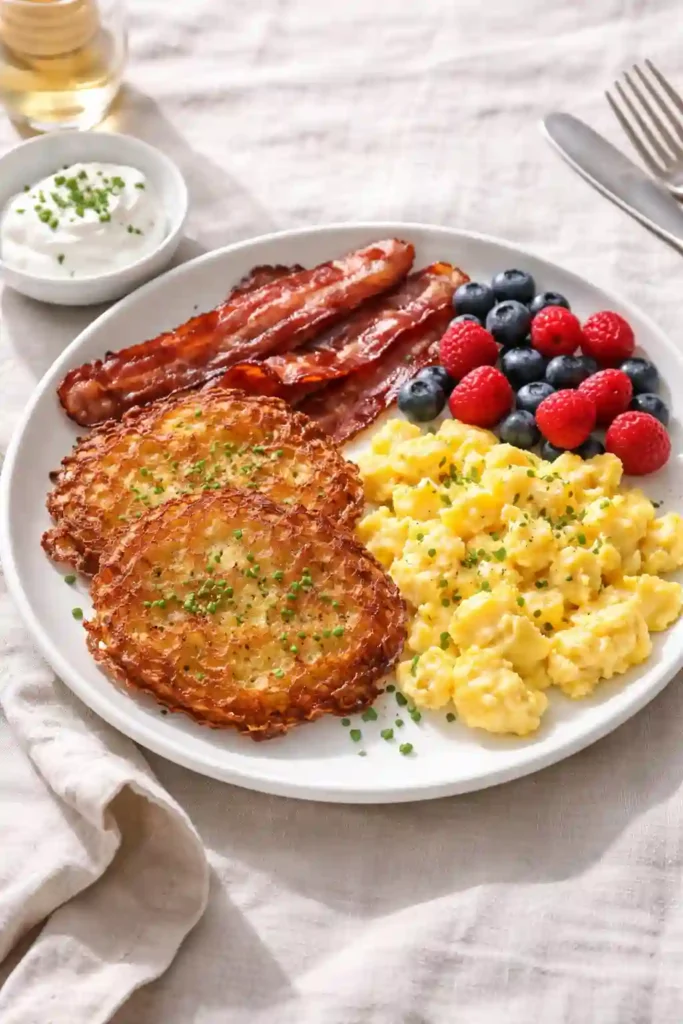
Serve potato pancakes alongside scrambled eggs, crispy bacon, and fresh fruit for a traditional American breakfast. Add a dollop of sour cream and fresh chives to the pancakes themselves. This combination is particularly popular for weekend brunch gatherings.
Top the pancakes with poached or fried eggs and hollandaise sauce for a potato-based take on eggs Benedict. The runny yolk creates a luxurious sauce that soaks into the crispy exterior.
Lunch and Dinner Applications
Use potato pancakes as a base for open-faced sandwiches. Top with smoked salmon, cream cheese, capers, and red onion for an elegant lunch option. The crispy pancake replaces traditional bread or bagels.
Serve as a side dish with pot roast, roasted chicken, or grilled steak. The pancakes soak up delicious meat juices and gravies, making them an excellent alternative to standard mashed potatoes.
Appetizer Ideas
Cut pancakes into smaller, bite-sized portions and serve as appetizers with various dipping sauces. Try sour cream with dill, spicy sriracha mayo, or classic applesauce. These make excellent party food that guests can eat while standing.
International Inspiration
Eastern European Style: Serve with sour cream, applesauce, and pickled vegetables like cucumbers or beets. This traditional combination balances the richness of the fried pancakes.
German-Inspired: Top with bratwurst slices, sauerkraut, and mustard for a hearty, satisfying meal.
Scandinavian Approach: Serve with gravlax (cured salmon), dill sauce, and pickled onions for an elegant Nordic-inspired plate.
Vegetarian and Vegan Meals
Build a complete vegetarian meal by serving potato pancakes with sautéed mushrooms, wilted spinach, and a fried egg. Add a side of roasted cherry tomatoes for freshness and acidity.
For vegan meals, top pancakes with ratatouille, roasted vegetables, or a hearty bean chili. These plant-based toppings transform simple potato pancakes into a nutritious, satisfying meal.
PrintLeftover Mashed Potato Pancakes: Crispy And Golden Every Time

Golden-brown and irresistibly crispy, these leftover mashed potato pancakes are a delightful way to transform simple ingredients into something extraordinary. Leftover Mashed Potato Pancakes recipe turns everyday leftovers into a restaurant-worthy treat, perfect for a quick brunch or a satisfying side dish.
Ingredients
For the Potato Pancakes:
- 2 cups leftover mashed potatoes (cold)
- 1 large egg
- 1/4 cup all-purpose flour (plus more if needed)
- 1/2 teaspoon salt (adjust to taste)
- 1/4 teaspoon black pepper
- 1–2 cloves garlic, minced (optional)
- 1/4 cup finely chopped onion (optional)
- 1–2 tablespoons fresh chives, chopped (optional)
- 1/4 to 1/2 cup shredded cheese (optional)
- Vegetable oil for frying (about 1/2 cup)
For Serving:
- Sour cream
- Fresh chives or scallions, chopped
- Applesauce (optional)
Instructions
- Prepare the Mixture: In a large bowl, combine cold mashed potatoes, egg, flour, salt, pepper, and any optional ingredients (garlic, onion, chives, cheese). Mix with a fork until just combined. Don’t overmix. Let rest for 5-10 minutes.
- Form the Patties: Wet your hands with cold water. Scoop 1/4 cup of mixture and gently form into a 3-inch diameter patty, about 1/2 inch thick. Place on a plate and repeat with remaining mixture.
- Heat the Oil: Pour vegetable oil into a large skillet to a depth of 1/4 inch. Heat over medium-high heat until shimmering (350-375°F). Test by dropping a small piece of potato mixture it should sizzle immediately.
- Fry the Pancakes: Working in batches, carefully place 3-4 patties in the hot oil, leaving space between them. Cook undisturbed for 3-4 minutes until golden brown on the bottom.
- Flip and Finish: Carefully flip pancakes with a thin spatula. Cook for 2-3 minutes until the second side is golden brown and crispy.
- Drain and Serve: Transfer cooked pancakes to paper towels to drain excess oil. Season with a pinch of salt if desired. Serve immediately with sour cream and fresh chives.
Notes
Recipe Notes:
- Cold potatoes are essential for the best texture and easiest handling
- Don’t flip too early wait for a proper golden crust to develop
- Maintain oil temperature between batches for consistent crispiness
- Keep finished pancakes warm in a 200°F oven while cooking remaining batches
Storage: Refrigerate in an airtight container for up to 4 days or freeze for up to 3 months.
Nutrition
- Serving Size: 2 pancakes
- Calories: 295
- Sugar: 2g
- Sodium: 580mg
- Fat: 13g
- Saturated Fat: 2.5g
- Carbohydrates: 38g
- Fiber: 3.5g
- Protein: 8g
- Cholesterol: 105mg
Fancy a change of pace? Try one of these delicious creations
- Creamy Potato Soup– Homemade Natural Soup
- Zucchini Fries – Homemade Recipe
- Keto Chicken Soup – Low-Carb Comfort Dish for Nourishing Warmth
- Stuffing Focaccia – Holiday Side Dish Recipe
Frequently Asked Questions About Leftover Mashed Potato Pancakes
Can we make potato pancakes ahead of time?
Absolutely. We can prepare the potato mixture up to 24 hours in advance and store it covered in the refrigerator. Alternatively, we can cook the pancakes completely, let them cool, and store them for reheating later. Both methods work well, though freshly cooked pancakes have the crispiest texture.
What’s the best way to keep potato pancakes from falling apart?
The key is using cold mashed potatoes, adding enough flour as a binder, and including an egg to hold everything together. Make sure not to flip the pancakes too early let them develop a proper golden crust before turning them. If the mixture seems too wet, add an extra tablespoon of flour.
Can we use instant mashed potatoes for Leftover Mashed Potato Pancakes recipe?
Yes, though results may vary slightly in texture. Prepare the instant mashed potatoes according to package directions, let them cool completely, and then proceed with the recipe. We might need to adjust the flour amount depending on the consistency of the instant potatoes.
Why are our potato pancakes soggy instead of crispy?
Soggy pancakes usually result from oil that’s not hot enough, overcrowding the pan, or using potatoes that are too wet. Ensure the oil is properly heated (350-375°F), leave space between pancakes while cooking, and drain excess liquid from the potato mixture if needed.
Can we bake these instead of frying them?
Yes, though they won’t be quite as crispy. Brush formed patties with oil and bake at 425°F for 15-20 minutes, flipping halfway through. For extra crispiness, finish under the broiler for 2-3 minutes while watching carefully.
Final Thoughts on Mastering Leftover Mashed Potato Pancakes
Leftover mashed potato pancakes represent everything we love about home cooking: they’re economical, delicious, versatile, and surprisingly simple to master. With the techniques and tips we’ve shared, we’re confident anyone can create restaurant-quality potato pancakes in their own kitchen.
The key takeaways are simple: use cold potatoes, maintain proper oil temperature, don’t overcrowd the pan, and resist the urge to flip too early. Master these fundamentals, and we’ll have crispy, golden potato pancakes every single time.