
Gingerbread Buttercream Frosting
We understand the transformative power of exceptional frosting in holiday baking. Our gingerbread buttercream frosting represents the pinnacle of seasonal dessert preparation, combining traditional warming spices with professional buttercream techniques.
This comprehensive guide provides everything needed to create bakery-quality gingerbread frosting that elevates any holiday dessert from ordinary to extraordinary.
The distinctive character of gingerbread buttercream frosting stems from carefully balanced spices cinnamon, ginger, cloves, and nutmeg harmonizing with rich molasses and premium butter.
Unlike standard buttercream variations, this frosting captures the essence of classic gingerbread cookies while maintaining the smooth, pipeable texture essential for professional cake decoration. The result delivers nostalgic holiday flavor in every luxurious bite.
Table of Contents
Essential Ingredients for Superior Gingerbread Buttercream Frosting
Primary Components
Unsalted Butter (1 cup/226g): We recommend using high-quality unsalted butter at proper room temperature. The butter should yield slightly to gentle pressure but maintain its shape neither cold nor melted.
This precise consistency ensures optimal emulsification and creates the silky texture that distinguishes professional buttercream from amateur attempts.
Powdered Sugar (3-4 cups/375-500g): Confectioners’ sugar provides sweetness while contributing to structural integrity. We always sift powdered sugar before incorporation to eliminate lumps that compromise texture.
The quantity remains adjustable based on desired consistency and environmental humidity levels.
Molasses (1 tablespoon/20g): This ingredient delivers authentic gingerbread depth and complexity. Mild molasses provides balanced flavor, while dark molasses intensifies the gingerbread profile substantially. We find that blackstrap molasses proves too assertive for most applications, though adventurous bakers may experiment according to personal preference.
Vanilla Extract (1 teaspoon): Pure vanilla extract enhances overall flavor complexity without dominating the spice profile. Mexican or Tahitian vanilla varieties offer interesting nuance for those seeking elevated results.
Heavy Cream or Whole Milk (2-3 tablespoons/30-45ml): Dairy addition allows precise consistency adjustment. Heavy cream contributes richness, while milk produces slightly lighter results. We keep this ingredient optional, adding only when buttercream requires loosening.
Signature Spice Blend
Ground Cinnamon (½ teaspoon): This foundational spice provides warmth and familiarity. We prefer Vietnamese cinnamon for its robust, sweet-spicy character, though Ceylon cinnamon offers more delicate results.
Ground Ginger (¼ teaspoon): Fresh-ground ginger delivers superior potency compared to aging pre-ground varieties. The sharp, peppery heat defines authentic gingerbread flavor.
Ground Cloves (pinch): Intensely aromatic cloves require restraint. Excessive quantities produce medicinal overtones that overpower other elements.
Ground Nutmeg (pinch): Freshly grated nutmeg provides incomparable flavor compared to pre-ground options. This spice adds subtle complexity that distinguishes exceptional gingerbread buttercream frosting.
Salt (pinch, optional): Fine sea salt balances sweetness and amplifies spice complexity. We consider this adjustment crucial for achieving professional depth.
Step-by-Step Preparation Instructions for Gingerbread Buttercream Frosting
Equipment Preparation
We begin by assembling necessary equipment: stand mixer fitted with paddle attachment (or electric hand mixer), rubber spatula, fine-mesh sieve for sugar, measuring cups and spoons. Room temperature ingredients prove critical remove butter from refrigeration 45-60 minutes before beginning.
Butter Creaming Process
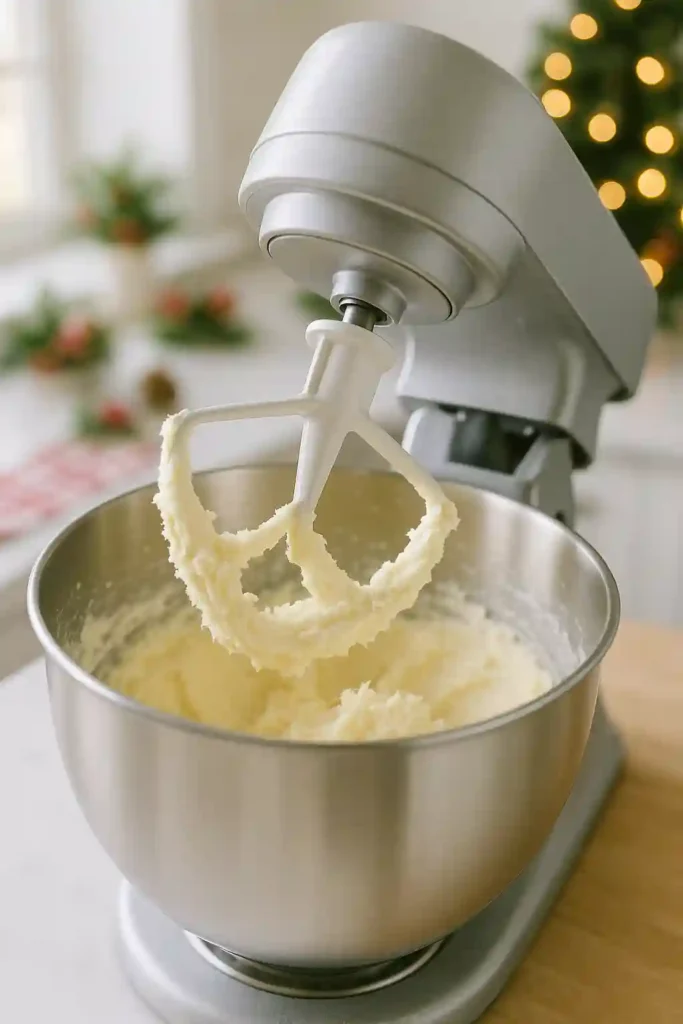
Place softened butter in mixing bowl. Beat on medium-high speed for 2-3 minutes until butter becomes noticeably pale in color and substantially increased in volume.
This creaming process incorporates air, creating the light, fluffy foundation essential for superior buttercream. Under-creamed butter produces dense, heavy frosting, while properly creamed butter yields ethereal texture.
Spice and Molasses Integration
Reduce mixer speed to low. Add molasses, vanilla extract, and complete spice blend cinnamon, ginger, cloves, nutmeg, and salt. Mix on medium speed for 30-45 seconds until thoroughly combined and fragrant. This preliminary blending allows spices to distribute evenly before sugar addition prevents proper incorporation.
Sugar Incorporation Technique
Add 2½ cups sifted powdered sugar to spiced butter mixture. Begin mixing on lowest speed setting to prevent sugar clouds dispersing throughout kitchen. Once sugar begins incorporating, gradually increase to medium speed. Mix for 2-3 minutes, stopping periodically to scrape bowl sides and bottom with rubber spatula.
Consistency Adjustment
Evaluate frosting texture. Properly prepared gingerbread buttercream frosting should hold medium peaks while remaining spreadable. If frosting appears too soft or flows excessively, incorporate remaining powdered sugar gradually, mixing thoroughly between additions.
Conversely, if buttercream seems too stiff for spreading or piping applications, add heavy cream one tablespoon at time until achieving desired consistency.
Final Whipping Stage
Increase mixer speed to medium-high. Beat frosting for 3-4 minutes until becoming light, airy, and developing slight glossy appearance. This extended whipping incorporates additional air, creating professional bakery texture. Properly whipped buttercream should feel smooth against spatula and spread effortlessly without tearing cake layers.
Professional Application Techniques For Gingerbread Buttercream Frosting
Cake Frosting Methods
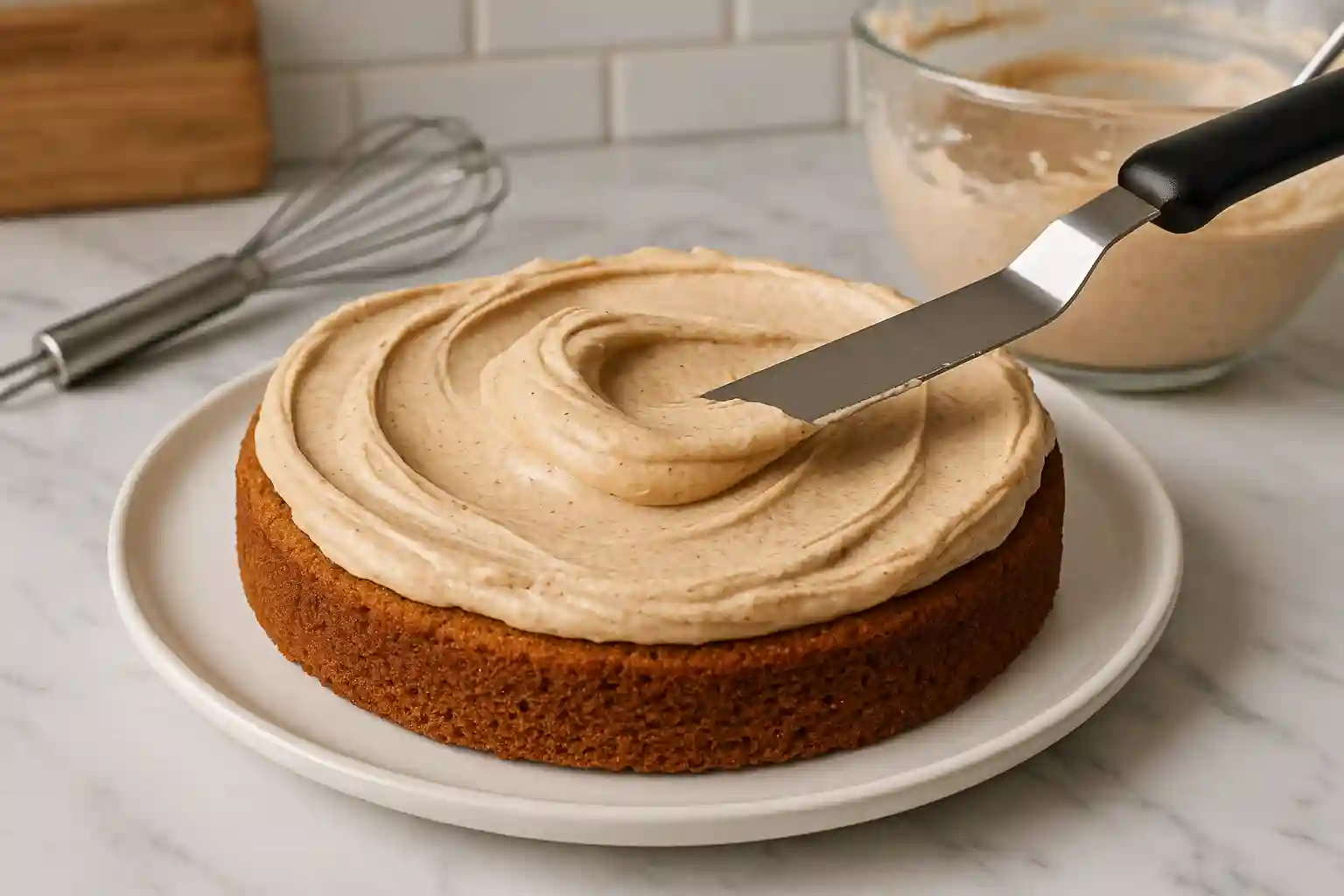
For layer cakes, we apply thin crumb coat initially, refrigerating 15-20 minutes before final frosting application. This technique prevents cake crumbs from contaminating outer frosting layer. The gingerbread buttercream frosting spreads beautifully with offset spatula, creating smooth sides and top.
We recommend frosting fully cooled cakes exclusively even slightly warm cakes cause buttercream to melt, compromising appearance and structural integrity.
Cupcake Decoration Approaches
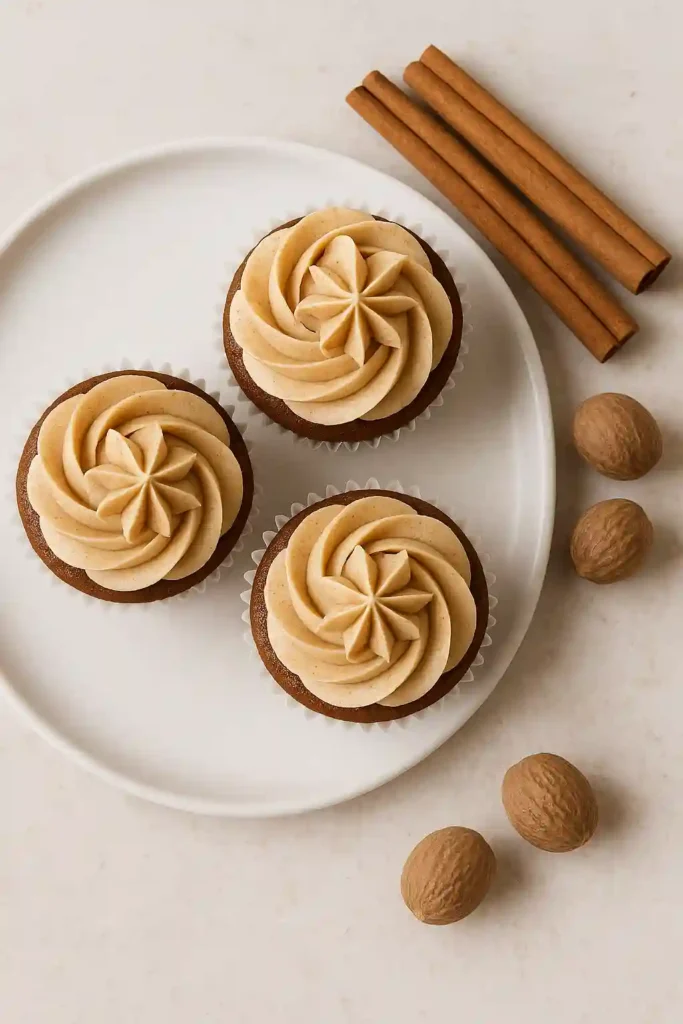
Gingerbread buttercream frosting pipes exceptionally well through various decorating tips. We favor large open star tips (Wilton 1M or 2D) for classic swirls, closed star tips for textured rosettes, and round tips for smooth domes.
For optimal piping consistency, refrigerate frosting 10-15 minutes if environmental temperature exceeds 72°F (22°C). This brief chilling firms buttercream structure while maintaining pipeable texture.
Cookie Sandwich Applications
This frosting excels in gingerbread cookie sandwiches, sugar cookie assemblies, and whoopie pie construction. We pipe or spread approximately 2 tablespoons frosting on flat cookie side, then gently press second cookie atop, creating even distribution without overflow. Refrigerating assembled cookies 30 minutes allows frosting to set properly.
Storage Guidelines and Shelf Life
Short-Term Refrigeration
Transfer unused gingerbread buttercream frosting to airtight container. Refrigerate up to 5 days at 35-40°F (2-4°C). Before reusing, allow frosting to reach room temperature completely approximately 2 hours depending on quantity. Rewhip briefly with electric mixer until restoring original consistency and incorporating any separated liquid.
Long-Term Freezer Storage
For extended preservation, we freeze gingerbread buttercream frosting up to 3 months. Place frosting in freezer-safe container, pressing plastic wrap directly against surface before sealing to prevent ice crystal formation.
Thaw overnight in refrigerator, then bring to room temperature before rewhipping. Frozen buttercream maintains excellent quality without flavor degradation.
Frosted Dessert Storage
Cakes and cupcakes frosted with gingerbread buttercream frosting remain safe at cool room temperature (below 70°F/21°C) for 8-12 hours. For longer storage, refrigerate frosted desserts in covered container up to 4 days.
Remove from refrigeration 30-45 minutes before serving, allowing buttercream to soften for optimal flavor and texture experience.
Expert Tips for Troubleshooting Common Issues
Grainy Texture: Results from insufficient butter creaming or inadequate sugar sifting. Solution involves extended whipping time and always sifting powdered sugar before addition.
Too Soft Consistency: Indicates insufficient powdered sugar, excessively warm butter, or high ambient temperature. Add powdered sugar gradually or refrigerate briefly until achieving proper texture.
Too Stiff Texture: Results from excessive powdered sugar or insufficient creaming. Incorporate cream or milk one tablespoon at time while continuing to whip.
Pale Color: While normal for buttercream, darker appearance comes from using dark molasses or adding tiny amount of brown food coloring for visual appeal.
Separated Appearance: Usually indicates temperature issues butter too warm or too cold. Bring all components to proper room temperature, then whip vigorously to re-emulsify.
Weak Flavor: May result from aging spices or insufficient molasses. We recommend replacing ground spices every 6 months and increasing molasses quantity incrementally until achieving desired intensity.
Creative Variations and Flavor Adaptations
Cream Cheese Hybrid
Replace half the butter with softened cream cheese, creating tangy gingerbread cream cheese frosting. This variation offers increased stability for warm environments and provides pleasant flavor contrast against sweet desserts.
Chocolate Gingerbread Fusion
Incorporate 2-3 tablespoons Dutch-process cocoa powder with powdered sugar. The resulting chocolate gingerbread buttercream frosting pairs magnificently with chocolate cakes or creates sophisticated flavor complexity on vanilla bases.
Citrus Gingerbread Enhancement
Add 1 tablespoon fresh orange zest and ½ teaspoon orange extract alongside vanilla. This citrus variation brightens traditional gingerbread profile, particularly complementing spice cakes and carrot cakes.
Bourbon-Spiked Version
Replace vanilla extract with bourbon or dark rum (1-2 teaspoons). Alcohol evaporates partially during mixing while contributing complex depth appreciated by adult audiences.
Maple Gingerbread Combination
Substitute half the molasses with pure maple syrup. This variation produces milder gingerbread flavor with prominent maple sweetness, excellent for autumn celebrations extending beyond traditional holiday season.
Brown Butter Enhancement
Brown the butter before preparation, allowing to cool until just soft. Nutty brown butter notes elevate gingerbread spices dramatically, creating restaurant-quality complexity.
Ideal Pairing Suggestions
Gingerbread buttercream frosting complements numerous dessert applications beyond obvious gingerbread cake. We recommend pairing with pumpkin spice cakes, apple cinnamon cupcakes, carrot cake layers, vanilla bean cake, chocolate devil’s food cake, banana bread, and cinnamon roll applications.
The warming spice profile harmonizes beautifully with autumn and winter flavor palettes while providing unexpected sophistication to simpler base recipes.
PrintGingerbread Buttercream Frosting Recipe

Master our gingerbread buttercream frosting with warming spices, molasses, and butter. Perfect for holiday cakes and cupcakes. Includes storage tips, variations, and expert techniques.
Ingredients
- 1 cup (226g) unsalted butter, softened to room temperature
- 3–4 cups (375-500g) powdered sugar, sifted
- 1 tablespoon (20g) molasses (mild or dark)
- 1 teaspoon pure vanilla extract
- ½ teaspoon ground cinnamon
- ¼ teaspoon ground ginger
- Small pinch ground cloves
- Small pinch ground nutmeg
- Pinch of fine sea salt (optional)
- 2–3 tablespoons (30-45ml) heavy cream or whole milk (as needed)
Instructions
- Place softened butter in stand mixer bowl fitted with paddle attachment. Beat on medium-high speed for 2-3 minutes until pale and fluffy with noticeably increased volume.
- Add molasses, vanilla extract, cinnamon, ginger, cloves, nutmeg, and salt to creamed butter. Mix on medium speed for 30-45 seconds until thoroughly combined and aromatic.
- Reduce mixer speed to low. Add 2½ cups sifted powdered sugar gradually. Begin mixing on lowest speed until sugar mostly incorporates.
- Increase speed to medium-high. Beat for 2-3 minutes, stopping periodically to scrape bowl sides and bottom with rubber spatula, until frosting becomes smooth and creamy.
- Evaluate consistency. If too soft, add remaining powdered sugar gradually. If too stiff, incorporate heavy cream one tablespoon at time until achieving spreadable texture.
- Increase speed to medium-high and whip for 3-4 minutes until frosting becomes light, airy, and develops slight sheen.
- Use immediately for frosting cakes, cupcakes, or cookies. Alternatively, transfer to airtight container and refrigerate up to 5 days or freeze up to 3 months.
Notes
- Always use room temperature butter not cold, not melted
- Sift powdered sugar to prevent lumps
- Spice quantities are adjustable to taste preferences
- Dark molasses intensifies gingerbread flavor significantly
- Rewhip refrigerated frosting before using to restore texture
- For deeper color, add tiny amount of brown food coloring
Nutrition
- Serving Size: 16 servings
- Calories: 190-210
- Sugar: 22g
- Sodium: 10-15mg
- Fat: 12g
- Saturated Fat: 7.5g
- Carbohydrates: 23g
- Protein: 0g
- Cholesterol: 30mg
Related Articles & Recipes
- apple crumble pie
- veggie christmas tree platter
- Christmas Tree Brownies
- Christmas Tree Meringue Cookies
- Keto English Muffin
- Cheese & Marmite Scones
- Buttermilk Scones Techniques
- Pumpkin Scones – Savory Variation
- Keto Scones
Frequently Asked Questions For Gingerbread Buttercream Frosting
Can we prepare gingerbread buttercream several days in advance?
Absolutely. We frequently prepare this frosting 3-5 days ahead, storing refrigerated in airtight container. The resting period allows spice flavors to meld beautifully, often improving overall taste. Always rewhip before using to restore proper texture.
Does this frosting work for hot weather events?
Gingerbread buttercream contains pure butter, making it sensitive to heat. For outdoor events or warm climates, we recommend reducing cream, slightly increasing powdered sugar, and keeping frosted desserts refrigerated until 30 minutes before serving. Alternatively, consider cream cheese hybrid variation for improved stability.
What causes buttercream to become soupy during preparation?
Soupy consistency typically results from butter temperature issues either too warm initially or environmental heat during mixing. Solution involves refrigerating bowl 15-20 minutes, then whipping vigorously. If problem persists, add powdered sugar incrementally until achieving proper texture.
Can we substitute light corn syrup for molasses?
While possible, corn syrup lacks molasses’s distinctive robust flavor and dark color that define gingerbread character. We strongly recommend using actual molasses for authentic results. If molasses unavailable, dark honey provides closer approximation than corn syrup.
How do we achieve professional smooth cake finish?
Professional smooth finishes require proper tools and technique. After applying frosting generously, we use bench scraper or cake smoother held at 90-degree angle against cake while slowly rotating turntable.
What desserts beyond gingerbread cake work well with this frosting?
We successfully pair gingerbread buttercream with apple cakes, pumpkin desserts, spice cakes, chocolate cakes, vanilla cupcakes, cinnamon rolls, sugar cookies, oatmeal cookies, and even as filling for macarons. The versatile spice profile complements surprisingly diverse applications.
Conclusion: Gingerbread Buttercream Frosting
We have presented comprehensive guidance for creating exceptional gingerbread buttercream frosting that rivals professional bakery quality. This recipe combines traditional holiday flavors with reliable technique, producing consistently excellent results for both novice and experienced bakers.
The warming spice blend, rich butter base, and precise preparation methods ensure every application achieves beautiful appearance and unforgettable flavor.
By following our detailed instructions, implementing professional tips, and exploring creative variations, anyone can master this essential holiday frosting.
Whether decorating elaborate layer cakes, simple cupcakes, or assembling cookie sandwiches, gingerbread buttercream provides the perfect finishing touch that transforms good desserts into memorable celebrations.
We encourage experimentation with spice ratios, flavor additions, and application techniques to develop personalized variations reflecting individual preferences. The foundation recipe remains reliable and forgiving, accepting modifications while maintaining structural integrity and delicious results.