

Plum Juice: A Complete Guide to Making, Using, and Understanding This Nutrient-Rich Drink
Plum juice continues to gain strong attention across health-focused communities because of its refreshing flavor, digestive support, and versatility in recipes.
As manufacturers produce more juice blends, many readers seek clear and trustworthy guidance on how to prepare plum juice at home, how it functions nutritionally, and how it compares with other fruit beverages.
We present a detailed resource that covers preparation, variations, benefits, storage, and practical uses so readers can make informed decisions with confidence.
Throughout this guide, we reference reliable preparation standards, food-safety recommendations, and culinary best practices. As a natural fruit drink rich in antioxidants and phytonutrients, plum juice deserves a full explanation grounded in accuracy and actionable instruction.
Table of Contents
Understanding Plum Juice: Flavor, Composition, and Core Characteristics
Plum juice provides a balance of sweet, tart, and slightly floral notes depending on the ripeness of the fruit. The variety used black, red, yellow, Italian prune plums, or Japanese plums changes the resulting flavor and color.
Red plum varieties typically yield deeper color tones and stronger acidity, while yellow plums create a lighter, milder beverage.
Nutritional Profile
The nutrient density makes plum juice a practical beverage for individuals seeking vitamin C, potassium, and plant compounds that support metabolic health. The natural acidity gives the drink a refreshing finish and supports culinary flexibility in smoothies, marinades, glazes, and mocktails. As outlined in our detailed nutritional comparisons at recipes community fruit-based beverages with natural fiber content offer additional satiety benefits.
How to Make Plum Juice: Professional-Grade Instructions
High-quality homemade plum juice begins with ripe fruit and controlled simmering. Over-boiling affects acidity and causes nutrient loss, so steady heat management is essential. The following method uses natural extraction rather than pressure cooking or artificial concentrate.
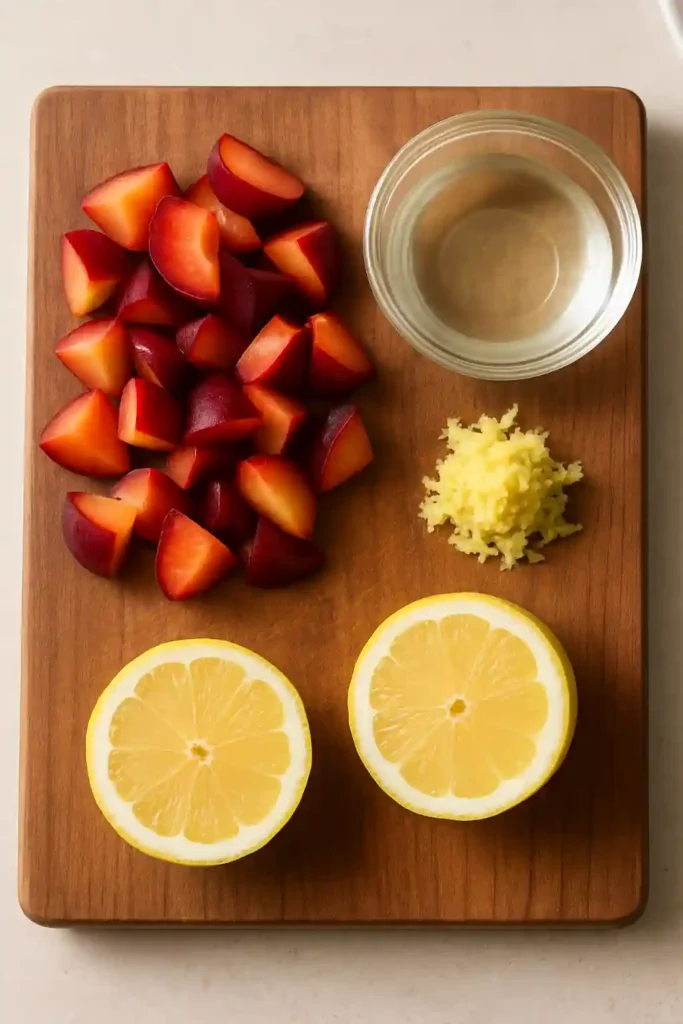
Ingredients
- 4 cups ripe plums, chopped
- 2 cups water
- 1 tablespoon grated ginger
- 2 tablespoons freshly squeezed lemon juice
- 1 tablespoon simple syrup, cardamom syrup, or maple syrup (optional)
Step-by-Step Method
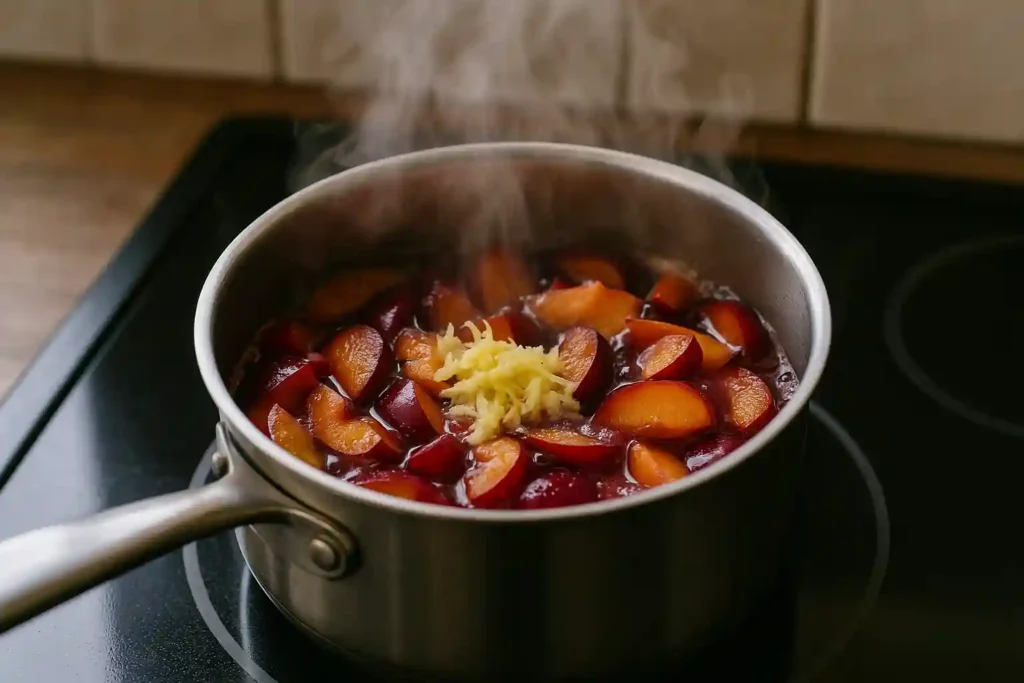
- Slice and remove pits from the plums. Chop them and combine with water and ginger in a medium saucepan.
- Bring the mixture to a steady boil and reduce heat to low. Simmer for 10 minutes to release flavor and juice.
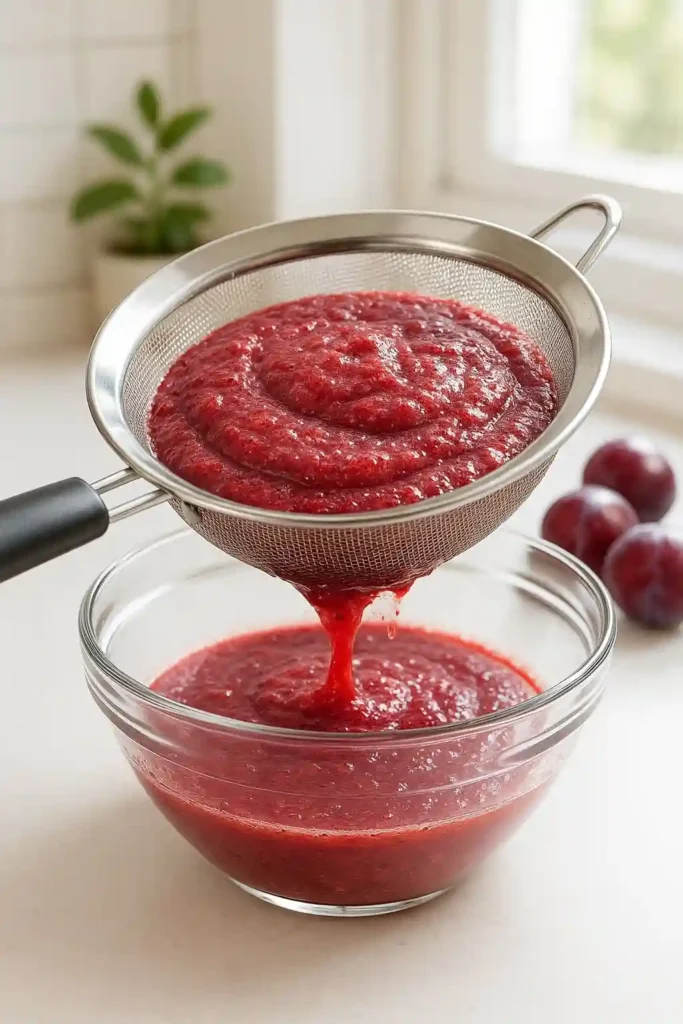
- Remove from heat and rest for 15 minutes. Purée with an immersion blender until smooth.
- Strain the liquid through a fine mesh sieve or cheesecloth into a bowl.
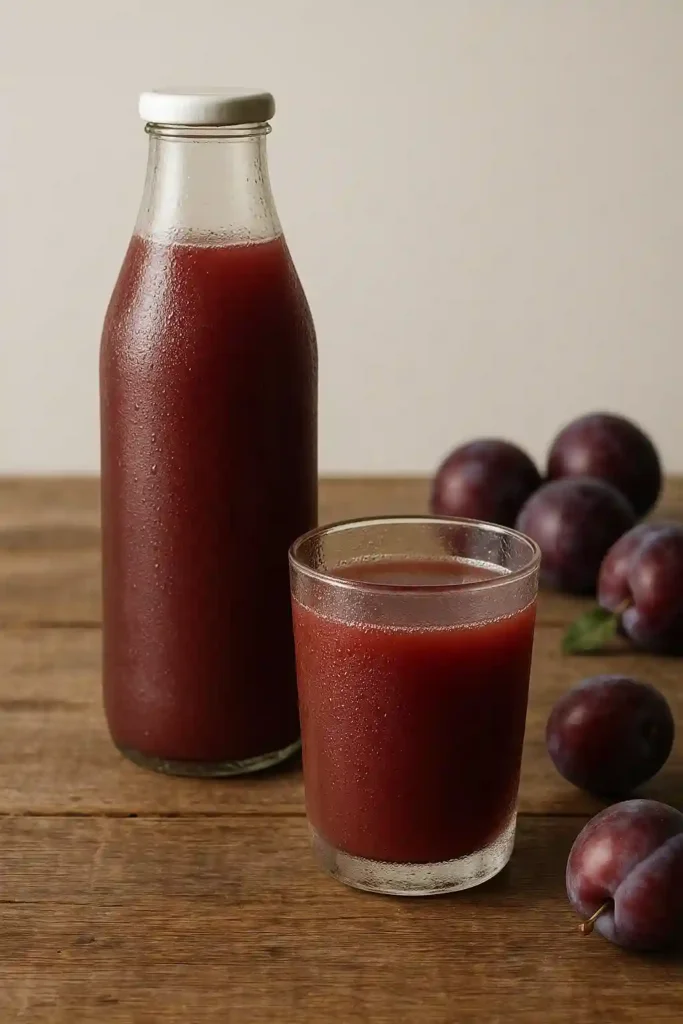
- Add lemon juice and optional sweetener. Transfer to an airtight bottle and refrigerate for at least two hours.
This cooling phase improves flavor clarity and supports the natural settling process. Additional beverage-making methods, similar to those used in our matcha-bubble-tea collection, can also incorporate cold-infusion techniques for lighter flavor extraction.
Health-Focused Benefits of Plum Juice
Plum juice supports digestive wellness and natural hydration. While full scientific claims must follow official nutritional research, the drink contains qualities widely recognized by nutritionists.
Digestive Support
Plums contain natural sorbitol and mild organic acids that help support regularity. Although juice contains less fiber than whole fruit, the combined water content and sorbitol still offer notable digestive support.
Antioxidant Density
Plums provide polyphenols, including anthocyanins in darker varieties. These compounds help defend cells from oxidative stress. When consumed as part of a balanced diet, plum juice contributes to daily antioxidant intake.
Electrolytes and Hydration
Plum juice offers natural potassium, which supports muscle balance and hydration. Unlike commercial sports beverages, it contains no artificial dyes or synthetic preservatives when made at home.
Flavor Pairings and Culinary Applications
Plum juice functions well in sweet, savory, and mixed applications, providing depth without overpowering complementary ingredients.
Smoothies and Blended Drinks
It pairs well with berries, peaches, apples, and citrus. For readers interested in crafting more advanced beverages, our smooth-texture tips found at recipes community help refine consistency.
Culinary Uses
Use plum juice as:
- A base for vinaigrettes
- A glaze for poultry or tofu
- An element in marinades with soy sauce and aromatics
- A reduction for desserts or pastries
Fermentation Potential
Naturally sweet fruits can be used in fermented beverages. While this requires precise control over temperature and sanitation, plum juice works well in probiotic drinks or shrubs when combined with vinegar.
Storage, Preservation, and Safety Recommendations
Homemade plum juice must be stored correctly to maintain safety and quality.
Refrigeration
Keep in an airtight glass bottle for up to four days. Exposure to oxygen increases oxidation, which affects flavor and color.
Freezing
Freeze in silicone molds or ice-safe containers for up to three months. Avoid filling containers to the top because liquid expands when frozen.
Canning
For long-term shelf stability, use standard water-bath canning methods with heat-safe jars. Always follow USDA-approved home-canning guidelines.
Variations of Plum Juice
Spiced Plum Juice
Add cinnamon, clove, or star anise during simmering. Remove before blending to avoid overpowering the natural fruit aroma.
Ginger-Citrus Blend
Increase ginger to 1.5 tablespoons and add orange zest. This variation works especially well as a morning tonic.
Plum-Apple Fusion
Replace half the plums with diced apples for a milder, balanced drink suitable for children.
PrintPlum Juice Recipe – Healthy, Refreshing, and Easy to Make

A refreshing homemade plum juice prepared with ripe plums, ginger, lemon, and optional sweetener.
Ingredients
- 4 cups ripe plums, chopped
- 2 cups water
- 1 tablespoon grated ginger
- 2 tablespoons freshly squeezed lemon juice
- 1 tablespoon simple syrup, cardamom syrup, or maple syrup (optional)
Instructions
- Slice and remove pits from the plums. Chop them and combine with water and ginger in a medium saucepan.
- Bring the mixture to a steady boil and reduce heat to low. Simmer for 10 minutes to release flavor and juice.
- Remove from heat and rest for 15 minutes. Purée with an immersion blender until smooth.
- Strain the liquid through a fine mesh sieve or cheesecloth into a bowl.
- Add lemon juice and optional sweetener. Transfer to an airtight bottle and refrigerate for at least two hours.
Nutrition
- Calories: 12
- Sodium: 25mg
- Saturated Fat: 0.1g
- Carbohydrates: 3g
- Protein: 0.2g
Frequently Asked Questions (FAQs)
Can I use frozen plums?
Yes. Frozen plums work well because they release juice quickly as they thaw. We recommend thawing them fully and straining excess water before simmering. Frozen fruit often preserves flavor better than out-of-season fresh fruit.
Is this plum juice recipe suitable for diabetics?
This recipe contains natural fruit sugars. Individuals managing blood sugar should speak with a licensed healthcare professional before consuming fruit juices. Removing the optional sweetener makes the drink lower in added sugars.
How to make juice with plum?
Slice plums, simmer with water, purée, strain, and chill. The method provided above follows culinary standards that maximize flavor while maintaining clarity.
What fruit mixes well with plums?
Plums pair well with peaches, nectarines, apples, pears, raspberries, and citrus. These combinations produce balanced acidity and natural sweetness.
What is plum juice good for?
Plum juice supports hydration, offers vitamin C and potassium, and contributes natural antioxidants. It also functions as a versatile culinary ingredient.
What can I make with lots of plums?
Large quantities of plums can be used for juice, jam, compote, chutney, fruit leather, pies, sorbets, and fermented beverages.
Conclusion
Plum juice stands out as a nutrient-rich beverage that supports hydration, offers natural antioxidants, and delivers balanced flavor. With proper preparation, storage, and culinary integration, it becomes a valuable addition to both everyday habits and advanced cooking applications.
Our detailed guide provides the foundation needed to prepare the juice safely and confidently, while encouraging readers to experiment with flavor combinations and creative uses throughout their kitchens.